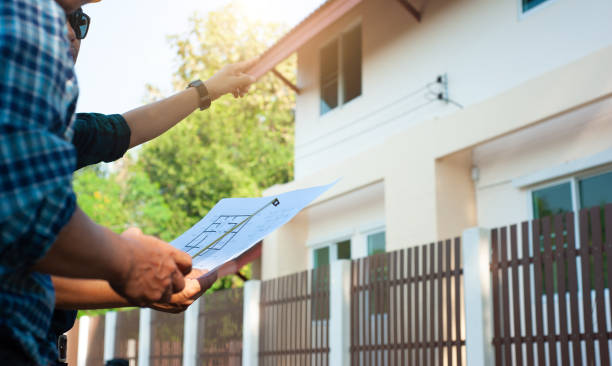
Buying a home is one of the biggest financial decisions most people will ever make. It’s exciting, emotional, and often fast-moving. But in the middle of choosing paint colours and imagining furniture layouts, one critical step should never be overlooked: the pre purchase house inspection.
A pre purchase house inspection is more than a formality. It is a professional assessment of a property’s condition before you commit to buying it. While it may feel like just another item on your checklist, this inspection can protect you from unexpected repairs, structural problems, safety hazards, and long-term financial stress.
Here’s how a pre purchase house inspection can save you thousands — and provide peace of mind at the same time.
What Is a Pre Purchase House Inspection?
A pre purchase house inspection is a detailed evaluation of a property conducted by a qualified inspector before the sale is finalised. The inspector examines the overall condition of the home, including structural elements, systems, and visible defects.
The goal is simple: to uncover issues that may not be visible during a regular viewing.
Unlike cosmetic features such as fresh paint or modern fixtures, serious problems can hide beneath the surface — in the roof cavity, behind walls, under floors, or within plumbing and electrical systems.
Identifying Structural Problems Early
Structural issues are among the most expensive problems a home can have. Cracks in walls may look minor but could indicate foundation movement. Uneven floors might suggest subfloor deterioration. Roof sagging could signal framing damage.
Without a professional inspection, these warning signs are easy to miss.
A pre purchase inspection can identify:
- Foundation instability
- Structural timber damage
- Roof framing issues
- Load-bearing wall concerns
- Subfloor problems
Repairing structural damage after purchase can lead to major financial strain. By identifying these issues early, you can either negotiate repairs, request a price adjustment, or reconsider the purchase entirely.
Detecting Hidden Water Damage
Water is one of the most destructive elements in a home. It can quietly cause extensive damage over time. Leaking roofs, poor drainage, damaged gutters, and plumbing issues often go unnoticed until the damage becomes severe.
A thorough inspection checks for:
- Roof leaks
- Dampness in walls
- Mould growth
- Poor ventilation
- Plumbing leaks
- Drainage issues
Water damage can lead to structural deterioration, electrical hazards, and health concerns due to mould growth. Fixing these problems after moving in can cost significantly more than identifying them before settlement.
Avoiding Costly Electrical Repairs
Electrical systems are critical to a home’s safety and functionality. Faulty wiring, outdated switchboards, and overloaded circuits can create fire hazards.
An inspection may reveal:
- Non-compliant wiring
- Unsafe switchboards
- Exposed electrical components
- Improper installations
- Lack of safety switches
Electrical upgrades are often more complex than they appear. Discovering these issues before finalising the purchase gives you leverage and avoids unexpected repair bills.
Uncovering Plumbing Problems
Plumbing issues are not always obvious during a brief property viewing. Slow drainage, low water pressure, hidden leaks, or corroded pipes can cause significant inconvenience and damage.
Inspectors check visible plumbing components and signs of leaks or water pressure issues. Early detection prevents:
- Water damage to walls and floors
- Future pipe replacements
- Drain blockages
- Hidden moisture build-up
Small leaks can quickly escalate into major repair projects if left undetected.
Identifying Roof and Gutter Defects
The roof protects everything inside the home. Damaged or ageing roofing materials can lead to leaks, insulation problems, and internal damage.
A pre purchase inspection examines:
- Roof condition
- Broken or missing tiles
- Rusted metal roofing
- Gutter alignment and blockages
- Downpipe functionality
Roof repairs can be extensive and disruptive. Catching problems early allows you to factor them into negotiations or make informed decisions.
Checking for Pest Damage
Pest damage, especially from termites, can be devastating. Timber structures can be compromised without obvious surface signs.
A thorough inspection may reveal:
- Termite activity
- Timber decay
- Evidence of past infestations
- Conditions that attract pests
Pest damage can weaken structural elements and require significant restoration work. Identifying this before purchasing can prevent future financial hardship.
Revealing Insulation and Ventilation Issues
Proper insulation and ventilation affect energy efficiency and comfort. Poor insulation can result in higher heating and cooling expenses over time.
Inspectors look for:
- Insufficient roof insulation
- Blocked ventilation
- Signs of condensation
- Poor airflow in roof cavities
Addressing insulation issues early helps maintain energy efficiency and indoor comfort.
Strengthening Your Negotiation Power
One of the biggest financial benefits of a pre purchase inspection is the leverage it provides during negotiations.
If the inspection report reveals defects, you can:
- Request repairs before settlement
- Negotiate a lower purchase price
- Ask for additional inspections
- Walk away if issues are too severe
Without documented evidence, negotiating becomes difficult. An inspection report gives you factual information to support your position.
Preventing Emotional Decision-Making
Buying a home often involves emotion. It’s easy to overlook potential problems when you’ve already imagined yourself living there.
A professional inspection brings objectivity to the process. It allows you to make a decision based on facts rather than feelings.
This prevents situations where buyers ignore warning signs and later face costly repairs.
Protecting Your Long-Term Investment
A home is not just a place to live — it is a long-term investment. Undetected issues can reduce property value and increase maintenance costs over time.
By understanding the true condition of the property before purchasing, you can:
- Plan future maintenance
- Budget for necessary upgrades
- Avoid surprise expenses
- Preserve property value
Informed decisions lead to smarter investments.
Avoiding Safety Hazards
Some property defects go beyond financial concerns and pose real safety risks.
These may include:
- Faulty electrical wiring
- Structural instability
- Mould growth
- Unsafe staircases
- Damaged handrails
- Asbestos-containing materials
Identifying these issues early helps ensure the home is safe for occupants. Safety concerns should never be discovered after moving in.
Understanding the True Condition of Older Homes
Older homes often have character and charm, but they can also come with ageing systems and hidden wear.
A pre purchase inspection helps you understand:
- The condition of original materials
- Whether systems have been updated
- Signs of deferred maintenance
- Structural wear and tear
This information helps you decide whether the property suits your long-term goals and renovation plans.
Avoiding DIY Surprises
Some sellers may attempt cosmetic fixes to make a property look appealing. Fresh paint can hide cracks, new flooring can conceal subfloor damage, and staging can distract from structural issues.
An experienced inspector looks beyond surface-level presentation. They assess underlying components that may not be obvious to the untrained eye.
This reduces the risk of discovering hidden problems after settlement.
See also: Upgrade Your Business with Advanced Burnished Concrete Flooring in Brisbane
Saving Money on Future Maintenance
Even if a property doesn’t have major defects, an inspection report provides valuable insight into maintenance needs.
It may highlight:
- Ageing roofing materials
- Wear on plumbing systems
- Early signs of timber deterioration
- Drainage improvements needed
Knowing these details allows you to budget and plan rather than react to emergencies.
Preventative maintenance is almost always less expensive than urgent repairs.
Ensuring Compliance with Building Standards
Building codes and safety standards evolve over time. Older homes may not meet modern standards.
While not every non-compliance issue requires immediate correction, being aware of them helps you:
- Understand potential upgrade needs
- Plan renovations appropriately
- Improve safety standards
This awareness prevents unexpected compliance-related upgrades later.
Providing Peace of Mind
Beyond financial savings, peace of mind is invaluable. Buying property involves significant responsibility. Knowing the true condition of the home reduces stress and uncertainty.
A clear inspection report helps you feel confident about your purchase decision.
Instead of worrying about hidden defects, you can move forward with clarity and assurance.
When Is a Pre Purchase Inspection Most Important?
While inspections are valuable for all properties, they are especially important when:
- The property is older
- There have been visible renovations
- The home has been vacant
- There are signs of cracking or dampness
- You are buying in a competitive market
In fast-moving markets, buyers sometimes feel pressure to skip inspections. However, bypassing this step can lead to long-term regret.
What Happens After the Inspection?
Once the inspection is complete, you will receive a detailed report outlining findings, observations, and recommendations.
You can then:
- Discuss findings with your legal representative
- Seek further specialist inspections if needed
- Renegotiate terms
- Decide whether to proceed
The inspection empowers you with knowledge — and knowledge protects your finances.
The Real Cost of Skipping an Inspection
While skipping a pre purchase inspection may seem like a way to speed up the buying process, it can result in:
- Unexpected structural repairs
- Electrical upgrades
- Plumbing replacements
- Roof restoration
- Pest treatment and timber repairs
- Long-term property devaluation
These expenses often far exceed the cost and effort of arranging an inspection beforehand.
Final Thoughts
A pre purchase house inspection is not just a technical formality. It is a powerful financial safeguard.
By identifying hidden defects, revealing safety concerns, and strengthening your negotiation position, an inspection can save you thousands in unexpected repairs and future maintenance.
It also provides clarity, confidence, and protection for one of the most important investments you will ever make.
Before signing a contract or finalising settlement, taking the time to arrange a professional pre purchase inspection could be one of the smartest financial decisions you make in your property journey.